
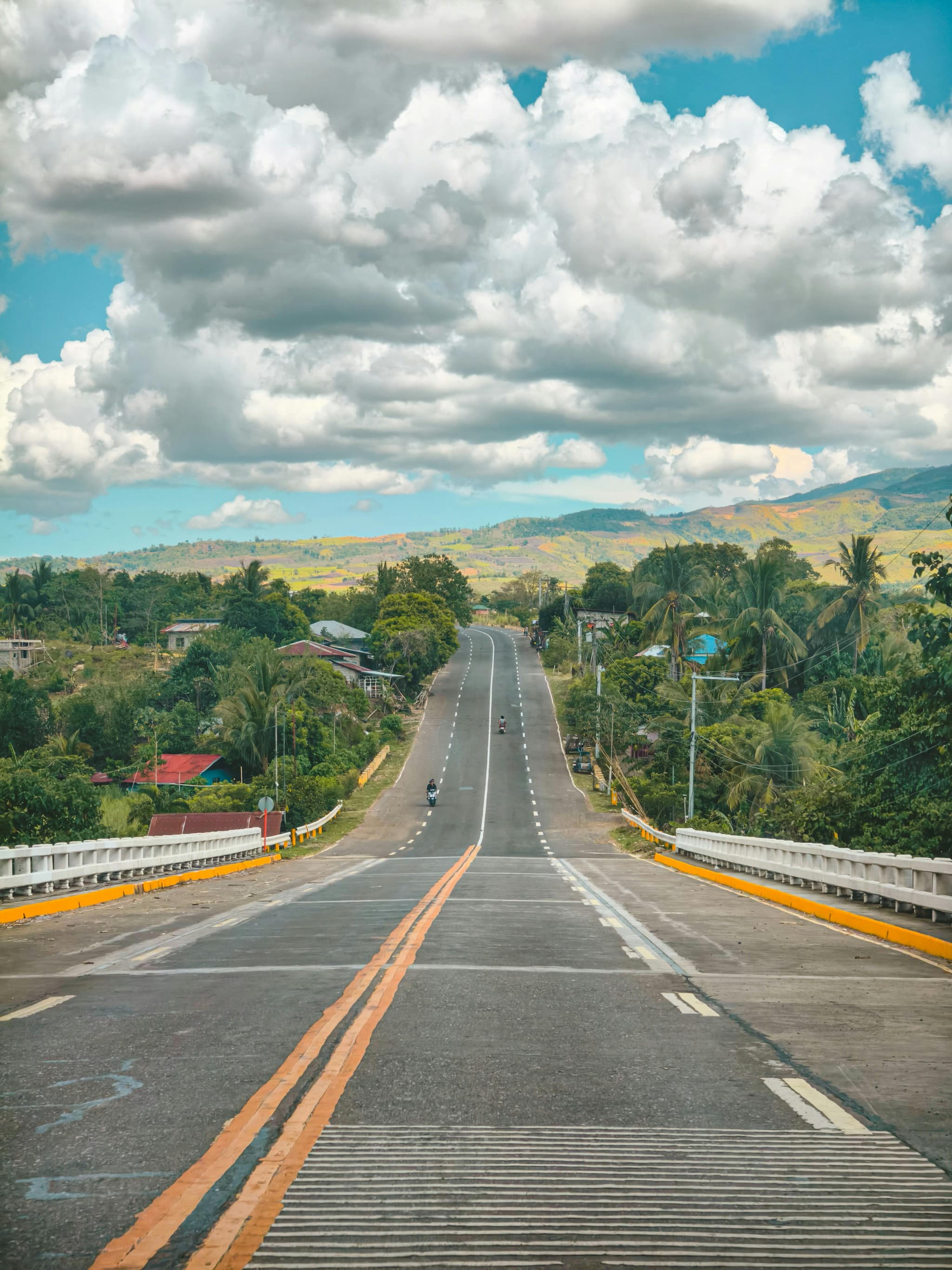
The Philippines should not be eaten like one destination. This route moves by city, island, ferry, and appetite, because the flavors shift with geography. Manila tastes different from Cebu. Cebu tastes different from Mindanao. The route gets better when you let each stop correct the last one.
Begin with old Manila energy, then move south toward lechon smoke, seafood mornings, coconut-rich stews, and market counters that feed neighbors before tourists.
The food route
- Manila and Binondo: Start with noodles, fried chicken at Sincerity-style old Chinatown counters, hopia, lumpia, and breakfast rice porridge.
- Cebu: Build a day around lechon, especially shops known for crisp skin, garlic, lemongrass, and spicy variations.
- Carcar or a public market detour: Look for lechon sold by weight, hanging rice, and food that feels closer to daily life than a polished dining room.
- Bohol or Negros: Use the coast for grilled fish, kinilaw, and slow meals near the water.
- Northern Mindanao: Finish with market breakfasts, grilled skewers, coconut milk, native chicken, and sour dipping sauces.
Off-the-beaten-path appetite
The best stops are often practical: a market stall with smoke in the roof, a bakery with one thing left warm, a family counter where the menu is shorter than your questions. Follow vinegar. Follow banana leaves. Follow rice that comes wrapped for travel.
Philippine food routes are not about checking off dishes. They are about accepting hospitality in motion.
How to travel it
Plan loosely. Ferries, weather, and family schedules shape the day. Eat early when markets are alive, and leave space for the snack someone insists you try on the way to the next place.